Cardiometabolic Health and Its Proven Connection to Longevity
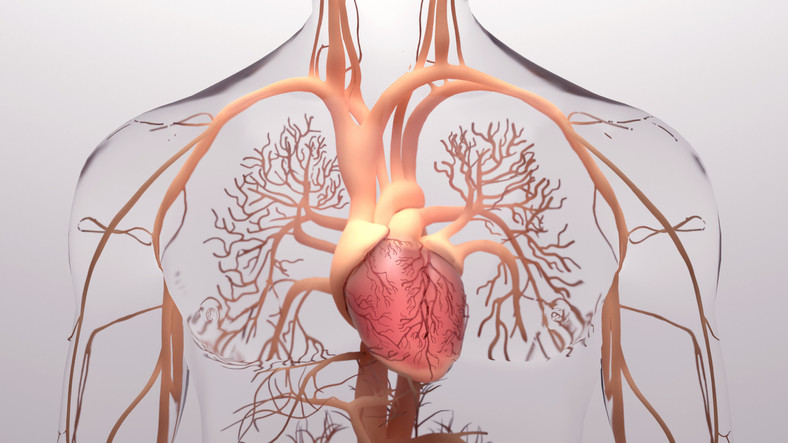
February is Heart Month—a time dedicated to raising awareness about cardiovascular health. But at Holland Health, we believe true heart health cannot be separated from metabolic health. They are deeply, intricately connected. This is where the concept of cardiometabolic health comes in.
If you’ve never heard the term before, you are not alone. Cardiometabolic health is a broad but essential concept that describes the health of your heart and how your body handles fuels like fats and sugars. It encompasses key markers like blood pressure, cholesterol, triglycerides, blood sugar, and body composition. When these systems are in balance, you feel energetic, think clearly, and build a strong foundation for long-term vitality. When they fall out of sync, it can silently set the stage for chronic disease.
The statistics are sobering. Research suggests that less than 7% of American adults have optimal cardiometabolic health. Even more striking, over 93% of adults have at least one biomarker of metabolic dysfunction—and most don’t know it. These early imbalances are often the root cause of everything from fatigue and brain fog to more serious conditions like heart disease, type 2 diabetes, and even cognitive decline.
This Heart Month, we invite you to look deeper. Understanding your cardiometabolic health is one of the most powerful, proactive steps you can take to invest in your future well-being.
What Is Cardiometabolic Health?
At its simplest, cardiometabolic health reflects how well your cardiovascular system (heart and blood vessels) and your metabolic system (how you process energy) are working together. Key components include:
- Blood Pressure: The force of blood against your artery walls. Chronically high pressure (hypertension) strains the heart and damages vessels.
- Blood Sugar (Glucose) & Insulin: How efficiently your cells absorb sugar from the bloodstream for energy. Poor regulation leads to insulin resistance and high blood sugar.
- Cholesterol & Triglycerides: The fats in your blood. Imbalances, such as high LDL (“bad” cholesterol) or low HDL (“good” cholesterol), contribute to arterial plaque.
- Body Composition: Particularly fat stored around the abdomen (waist circumference), which is more metabolically active and inflammatory than fat stored elsewhere.
When these markers drift out of optimal ranges, they don’t just exist in isolation. They interact, creating a cascade of inflammation and dysfunction that affects your entire body.
The Functional Medicine Perspective: Why Underlying Issues Matter
In functional medicine, we don’t just look at a high number on a lab report. We ask a more important question: Why is this happening? Cardiometabolic dysfunction is rarely a simple matter of bad luck. It is the result of underlying imbalances that, over time, overwhelm the body’s natural regulatory systems.
Some of the key issues we investigate include:
- Chronic Inflammation: This is perhaps the central driver of cardiometabolic disease. Low-grade, persistent inflammation can damage blood vessels, contribute to insulin resistance, and accelerate plaque formation.
- Oxidative Stress: An imbalance between free radicals (unstable molecules that damage cells) and the body’s ability to neutralize them. This “cellular rust” damages the delicate inner lining of arteries (the endothelium) and impairs mitochondrial function.
- Gut Dysbiosis: The health of your gut microbiome influences systemic inflammation and metabolic regulation. An imbalanced gut can contribute to weight gain, insulin resistance, and increased cardiovascular risk.
- Hormonal Imbalances: Cortisol (your stress hormone), insulin, thyroid, and sex hormones all play critical roles in regulating metabolism, blood pressure, and vascular health. When they are out of balance, the entire system is affected.
- Mitochondrial Dysfunction: Your mitochondria are the energy powerhouses of your cells. When they aren’t working efficiently, it affects high-energy organs like your heart and contributes to metabolic slowdown.
- Nutrient Deficiencies: Your body requires specific vitamins, minerals, and antioxidants to maintain healthy blood vessels, regulate heart rhythm, and manage inflammation. Deficiencies in magnesium, CoQ10, omega-3s, and others can compromise cardiometabolic function.
The Power of Lifestyle: You Have More Control Than You Think
The encouraging news is that your daily habits have a profound impact on your cardiometabolic health. Research shows that following a healthy lifestyle can reduce the adverse effects of cardiometabolic disease on mortality by up to 63% . This is not about perfection; it is about consistent, intentional choices.
- Movement is Medicine: Regular physical activity is one of the most powerful tools for improving cardiometabolic health. Studies confirm that combining aerobic exercise (like walking, running, or cycling) with resistance training can significantly reduce body fat, improve cholesterol profiles (lowering LDL and triglycerides while raising protective HDL), lower fasting blood glucose, and enhance physical function . Even a daily 30-minute walk can make a measurable difference.
- Nutrition as Foundation: A balanced diet rich in whole, unprocessed foods—think colorful vegetables, fruits, lean proteins, healthy fats, and fiber—directly supports healthy blood sugar, cholesterol, and blood pressure. Reducing intake of added sugars, refined carbohydrates, and unhealthy fats is equally critical.
- Prioritize Restorative Sleep: Sleep is when your body repairs and resets. Poor sleep drives up stress hormones, increases inflammation, and disrupts the hormones that control appetite and blood sugar. Aim for 7-9 hours of quality sleep each night.
- Manage Stress: Chronic stress keeps your body in a prolonged “fight-or-flight” state, elevating cortisol and blood pressure, and promoting insulin resistance. Practices like mindfulness, deep breathing, time in nature, and nurturing social connections are vital for nervous system regulation.
Taking the Next Step: Know Your Numbers and Go Deeper
Awareness is the first step toward change. Routine physicals that check blood pressure, fasting glucose, and a standard lipid panel are important for catching overt abnormalities. However, for a truly proactive, preventive approach, functional medicine offers a deeper level of insight.
At Holland Health, we utilize advanced testing to evaluate the underlying drivers of your cardiometabolic health long before disease develops. This may include:
- Advanced Cardiometabolic Panels: Going beyond standard cholesterol to look at LDL particle size and number, Apolipoprotein B (ApoB), and inflammatory markers like hs-CRP for a more precise risk assessment.
- Insulin Resistance Markers: Checking fasting insulin and calculating HOMA-IR to detect early metabolic dysfunction, often years before blood sugar rises.
- Nutrient Status: Evaluating levels of key nutrients like magnesium, vitamin D, and CoQ10 that are essential for heart and metabolic function.
- Inflammatory and Oxidative Stress Markers: Getting a window into the cellular damage that drives disease.
Your Heart Month Invitation
Cardiometabolic health is not just about avoiding disease. It is about cultivating the energy, mental clarity, and resilience to fully engage in your life. It is about understanding that your heart, your metabolism, and your overall vitality are all connected.
This February, we invite you to honor your heart by looking beneath the surface. If you are ready to understand your unique cardiometabolic picture and create a personalized plan for lifelong wellness, we are here to guide you.
Schedule a FREE consultation with Dr. Holland today to explore how functional medicine can support your heart and metabolic health for years to come.
References
- Vitacost. (2024). What Is Cardiometabolic Health? Retrieved from https://www.vitacost.com/blog/what-is-cardiometabolic-health/
- Dr. Cynthia Thaik. (2025). Functional Medicine Consultation. Retrieved from https://drcynthia.com/functional-medicine-cardiologist-consultation/
- Wildgrube, M., et al. (2016). The Influence of a High Fat Diet and Metformin Treatment on the Activity of Respiratory Chain Complexes. The Thoracic and Cardiovascular Surgeon. Retrieved from https://www.thieme-connect.de/products/ejournals/abstract/10.1055/s-0036-1571668
- Rupa University. (2024). The Life Changing Impact of Improving Metabolic Health. Retrieved from https://www.rupauniversity.com/live-classes/the-life-changing-impact-of-improving-metabolic-health
- Al-Mhanna, S. B., et al. (2025). Impact of concurrent aerobic and resistance training on body composition, lipid metabolism and physical function in patients with type 2 diabetes and overweight/obesity. PubMed. Retrieved from https://pubmed.ncbi.nlm.nih.gov/40520633/
- Signos. (2023). Does Cardio Increase Metabolism + Ways to Boost It? Retrieved from https://www.signos.dev/blog/metabolic-advantages-of-cardio
- Dr. Cynthia Thaik. (2025). Holistic Functional Medicine Cardiology: Guide to Lifelong Heart Health. Retrieved from https://drcynthia.com/blog/holistic-functional-medicine-cardiology-guide-to-lifelong-heart-health/
- Heyne, E. (2020). High-fat diet affects skeletal muscle mitochondria comparable to pressure overload-induced heart failure. biostudies-literature. Retrieved from https://www.omicsdi.org/dataset/biostudies-literature/S-EPMC7299710
- Rupa Health. (2023). Cardio Check Profile. Retrieved from https://support.rupahealth.com/en/articles/8552340-cardio-check-profile
- Chan, Y. H., et al. (2026). Cardiovascular-Kidney-Metabolic Interplay in Patients with Atrial Fibrillation. PubMed. Retrieved from https://pubmed.ncbi.nlm.nih.gov/41712451/
This blog post is informed by functional medicine principles and research on gratitude and its positive effects on health. For personalized health guidance, please schedule a consultation with Dr. Holland to discuss your specific needs.